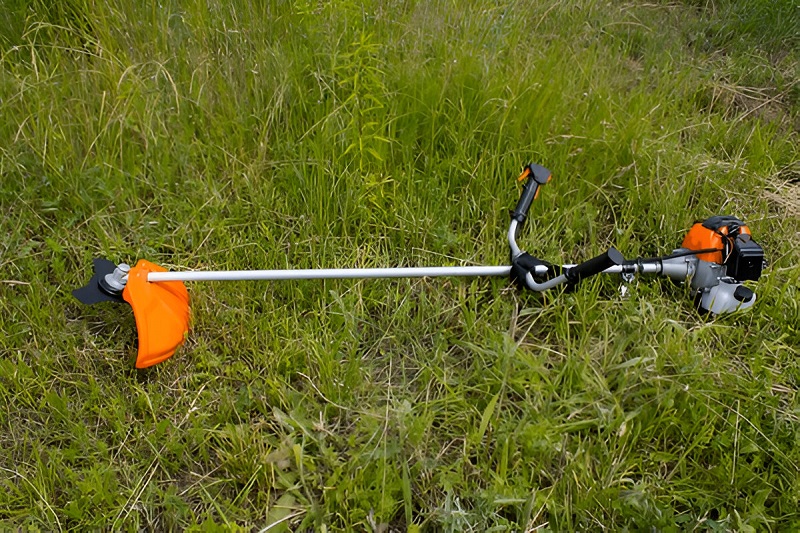
Ever stood contemplating the trimmer aisle–dozens of attachments litters as far as the eye can see, and it somehow all seems very overwhelming? Well, fret not! Why do certain gardeners swear by their brush cutters while others wouldn’t be caught dead using anything less than a standard trimmer head? And what of those fancy attachments you’ve seen on TV? Are they really worthy of the hype?
Choosing the right trimmer attachment can make gardening work turn enjoyable to some extent if not completely. It will make trimming overgrown edges in a compact urban garden or maintaining several acres in the countryside quite amusing. But if choosing from the many attachments out there, it is like searching for a needle in a haystack.
In this guide, you will be guided through all of the things about getting trimmer attachments, starting from finding ways that basically explain their operations to knowing what will be compatible with what. We consider different types of attachments; we’ll bust some myths about products advertised on TV; and finally, help you make wise purchases according to the stubborn challenges peculiar to your garden. We’ll give you a common guide toward planning your perfect trimmer attachment toolbox.
What Is A String Trimmer Used For? Understanding The Basics
String Trimmers-Primary Functions In Today’s Gardens
String trimmers have, with good reason, established their reputation as the Swiss Army knife of garden maintenance. The most common functions of these tools are trimming into those areas where your mower hasn’t been able to set foot- fence lines, tree trunk areas, or the edges beside garden beds. This gives them a superb shot at providing those nice smooth edges that render the appearance of a professionally maintained garden.
Beyond simple grass cutting, string trimmers are an effortless solution to many of the challenges posed in the garden. Clearing weeds from cracks in paving, giving cleaning beneath decking, and maintaining those edges where precision beats out power, many a gardener considers them a must-have for keeping the pathway clear and preventing grass from taking over flowerbeds.
Beyond Edging Problems: Other Uses You May Not Have Thought Of
The string trimmer is thought to be just an edging tool for most people; however, that is scratching the very surface of its capabilities. The implement is highly capable of defining borders between different garden zones, creating sculpted grass displays, and softening the beauty in the stem of fragile plants by minor light pruning. Some gardeners use them to create interesting patterns over long patches of unkempt grass that add visual interest to an otherwise boring lawn.
String trimmers also shine when it comes to vertical gardening. They are uniquely qualified for training overgrown climbing plants, clearing ivy from walls while maintaining surface integrity, and keeping other features of vertical gardens in check. String trimmers allow for precision control around delicate new plantings, where larger tools would risk inflicting collateral damage.
String Trimmers Vs Traditional Garden Tools: When To Use What
Knowing when to reach for your string trimmer versus traditional tools will save time and effort. A mower is king for the larger open grass areas but trimmers work where mowers fear to tread. Trimmers, being lightweight and maneuverable, can detail work where shredder equipment fails.
Traditional edging spades are still handy for newly created garden borders or for cutting through established root systems. For regular maintenance, however, nothing could be faster or offer more consistent results than the string trimmer with edger attachment. The downside is that trimmers require gas or charging whereas the traditional tools are depending entirely on muscle.
Including The Must-Know Kinds Of Trimmer Attachments Every Gardener Should Have
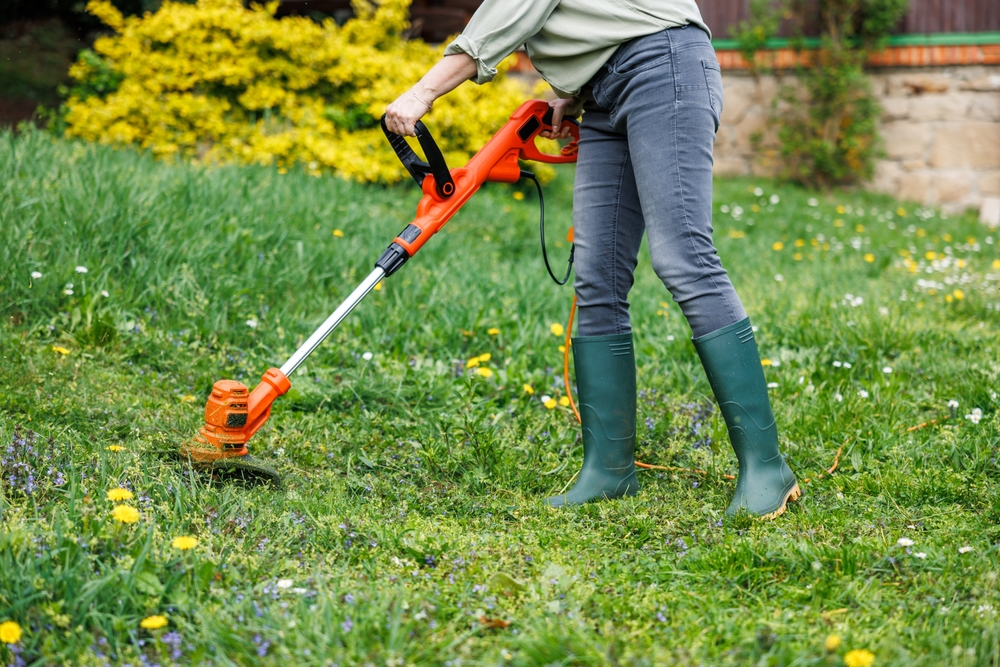
Standard Trimmer Heads: The Everyday Workhorse
The most commonly attached accessory is the standard trimmer heads, and rightly so. They are versatile, relatively safe to use, and can be used to handle most garden maintenance jobs efficiently. These heads cut grasses and light weeds by means of nylon line spinning at high speed. The line is fed automatically as it wears out, so it’s going to keep you going without stopping every little while for adjustment.
The different thicknesses of line vary according to different tasks, with the thinner lines appropriate for light grass trimming and thicker versions able to tackle hardier weeds and more dense growth. Some specific heads contain dual or even quad line systems, which significantly increase cutting efficiency. The shape of the line also matters – round line works well for grass, whilst square or star-shaped lines bite through tougher vegetation more effectively.
Brush Cutters Blades: For Those Tough Austrailian Vegetation
Australian gardens often require more than the standard trimmer line is capable of offering. This is where brush cutter blades come into play. These metal attachments transform your trimmer from just a utility tool into a power clearing tool capable of tackling shrubs, blackberry canes, and even small saplings. They are an absolute necessity for rural properties or gardens bordering bushland.
Selection of the proper types of blades matters not only greatly for efficiency but also for safety. The three-toothed blades are good for thick grass and brambles; circular saw blades might well handle woody growth up to several centimetres thick; chisel blades master such fibrous, dense plants as pampas grass. For each blade type, one will need to observe particular safety precautions and protective gear.
Edger Attachments: You’ve Professionalized Your Garden Borders
Nothing gives the garden dramatic transformation than crisp, clean cut edges. Edger attachments turn your string trimmer into a precise border-defining tool, creating those magazine-worthy lines between lawn and garden bed. Unlike string line, edger attachments use a vertical metal blade that cuts a defined groove along borders.
Though these attachments are great at maintaining already-established edges, they will allow one to form fresh ones over a period of time as well. The depth guide could be adjusted to ensure a consistent depth of cutting being made, while the wheel or guide could maintain straight lines. Thus, many gardeners would find edger attachments extremely useful, particularly along driveways and pathways where a professional finish really shows.
Match Attachments To Your Individual Garden Challenges
Small Urban Gardens: Space-Saving Solutions
Urban gardens consist of varied features and challenges such as very limited storage, close proximity to one’s neighbors, and often intricate designs that need to be well-maintained. Versatility beats power in such cases because a simple lightweight trimmer with fast changing attachments does the most without having to take too much space in the shed or garage.
Most urban garden needs are brilliantly handled by standard trimmer heads. Both quietness and battery power is the key feature that should be sought to avoid annoying the neighbors with weekend maintenance. This goes with a compact edger attachment to define borders and probably a mini cultivator head for tidying the beds. All in all, these three attachments cater to almost every need of an urban garden.
Large Rural Properties: Heavy-Duty Options For Acreage
Most equipment needed in the proper management of a property will cover its robustness for operational overhaul. With professional-grade attachments, one keeps reaping returns while maintaining paddock edges, clearing fence lines or transitional areas between maintained gardens and bushland. In this case, durability and efficiency really matter more than compact storage.
Heavy brush cutter blades surely are needed in rural properties. The three-pointed steel blades would handle the majority of Australian natives and invasive ones, while everything short of established trees would be too much for carbide tips. For best practice, consider maintaining at least two different types of blades-care for simple days’ daily maintenance along with one set aside for annual heavy clearing work.
Sloped And Uneven Terrain: Safety First With Attachments
Working on a slope complicates and adds danger to any job involving trimming. A few well-chosen attachments may make the difference between being completely available or having to retreat for safety. This makes weight distribution very important; a heavy metal blade does not balance well on a steep slope, making weightier models more impractical, if less efficient.
For medium-grade slopes, standard trimmer heads with a slightly heavier line provide the best compromise between sufficient cutting strength and control. Flexibility in line results in less jarring when hitting the hidden obstacle and lowers, thus reducing the risk of losing one’s footing. Some manufacturers offer specially designed “slope mowing” heads with enhanced safety features.
Safety Features And Considerations For Different Attachments
Essential Safety Gear For Each Attachment Type
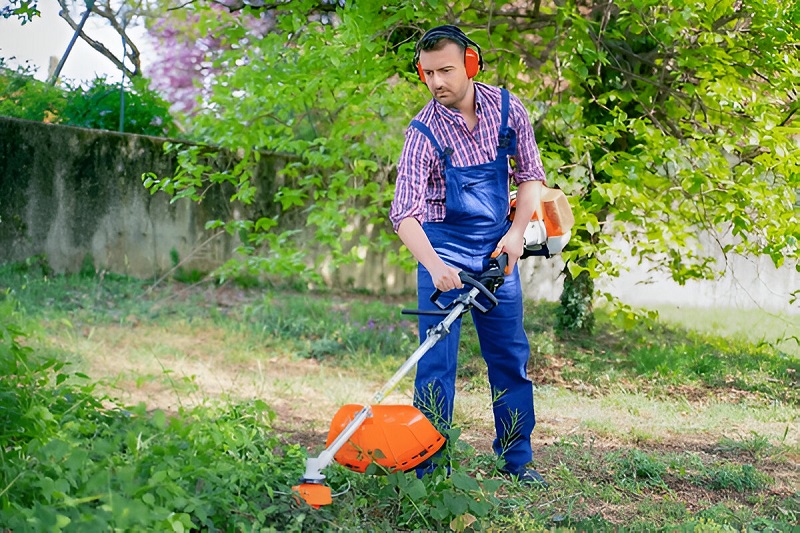
Different attachments call for different protective equipment. When the use of the nylon line is light trimming, safety glasses would suffice. However, brush cutter blades would require full-face protection, heavy gloves, and protective chaps. Never scrimp on safety gear-hospital bills are far more than an extra piece of equipment.
Trimmer line, however harmless it may seem, can really do a number on your eyes and skin when it flies out the other way. Some form of long pants, closed shoes, and safety glasses is your minimum protection. Hearing protection should be added for longer duties, as even electric trimmers, though quieter, can harm the ears over long runs.
Common Hazards And How To Avoid Them
The primary hazard with any trimmer attachment is flying objects. Therefore, it is necessary to keep a safe distance from people, pets, and properties. Even more so should caution be taken with windows, cars, and anything else that can be broken easily. Even soft trimmer lines may crack glass or chip paint, given enough debris.
Kickback hazards are introduced with attachments of the blade type, as with chainsaws. When blades encounter unmovable objects or grab on to tough material, the blades may violently push the trimmer sideways or back toward the operator. A proper stance, firm grip, and proper blade selection minimize risk.
Maintenance Tips To Keep Your Attachments Safe And Effective
Safety and efficacy rely on proper maintenance. Most machine accidents and failures involving attachments can be avoided through regular maintenance. Inspect blades for sharpness and balance before every use; vibration due to dull or unbalanced blades is noticeable, as blades cut very poorly. Replace any blade that sustains damage to avoid risking your life on a completely failed blade.
Maintain the cleanliness and lubrication of the attaching mechanism. Dirt and corrosion will allow attachments to wiggle while in active use, and that can create a hazardous situation to be in. Inspect connecting mechanisms and check for convenient wear and tear. Taking a few minutes out to stop an attachment from flying at your face is better than calling after one.
Seasonal Attachment Selection: Year-Round Garden Management
Spring Growth Management: Preparing For The Growing Season
Spring growth’s rapid increase calls for versatile attachments ready to deal with changing conditions. To begin, edge heavily to redefine borders softened by the winter. Edge attachments provide clean lines for further maintenance aids through the growing season.
A standard trimmer head cuts most effectively through the sudden spring-grown grass. Consider keeping an array of light and heavy line weights available for varied conditions. Light line is all about cutting those soft first-growth spots in early spring. Requires heavier lines for tougher jobs in later spring.
Summer Maintenance: Keeping Gardens Tidy In Peak Season
Summer maintenance concerns the control of established growth rather than major clearing. Regular light trimming stops areas from becoming overgrown and unavailable for all but total reclamation. Standard trimmer heads do most summer work, with slight intermittent edging to keep sharp borders.
Drought conditions prevalent during Australian summers greatly influence attachment selection. Dry brittle grass cuts differently from lush growth and almost always requires some adjustment of technique or different line weights. Some say during dry periods heavier line would be preferred just so it doesn’t break too much.
Autumn Clean-Up: Attachments For Leaf And Debris Management
In its autumns, Workviews turns away from controlling growth toward the cleaning and preparing for love. While leaf blowers do take care of all the fallen leaves, trimmer attachments are best suited to cut back spent perennials and remove dead growth from garden beds.
Brush cutter blades are an absolute gem for the heavier clearance jobs in autumn. Cutting back ornamental grasses, cleaning up the dead growth of shrubs, and clearing out the under duck weeds of summer are all blade attachment jobs. The aim of this is to remove materials that could protect pests and pestilence during winter.
Your Perfect Trimmer Attachment Toolkit Awaits
We’ve explored the vast world of trimmer attachments, from basic string heads to sophisticated brush cutting systems. The key takeaway? There’s no one-size-fits-all solution. Your perfect attachment combination depends entirely on your unique garden challenges, physical capabilities, and maintenance goals.





 Actives Business
Leave a comment