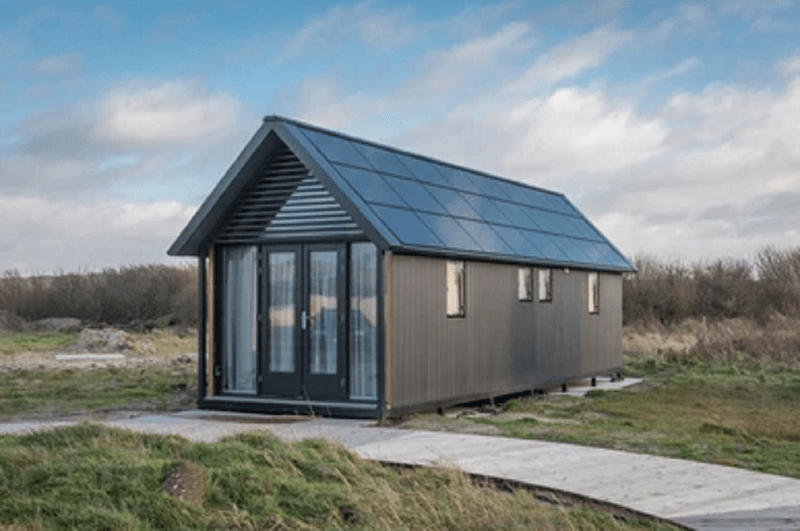
Do you want to experience the sensation of waking up in a comfortable small area which includes all essential items while excluding unnecessary things? Do you want to understand why Australians choose smaller living spaces over their large suburban houses? The idea of minimalistic living leads to better quality existence than people expect.
The tiny home movement in Australia is gaining serious momentum, and it’s not just a passing trend. From young professionals seeking affordable housing options to retirees looking to downsize and simplify their lives, Australians from all walks of life are embracing compact living. People now choose to live differently because they need both physical space and complete transformation of their entire lifestyle pattern which includes all their consumer habits and their relationship with nature.
What Is a Tiny House?
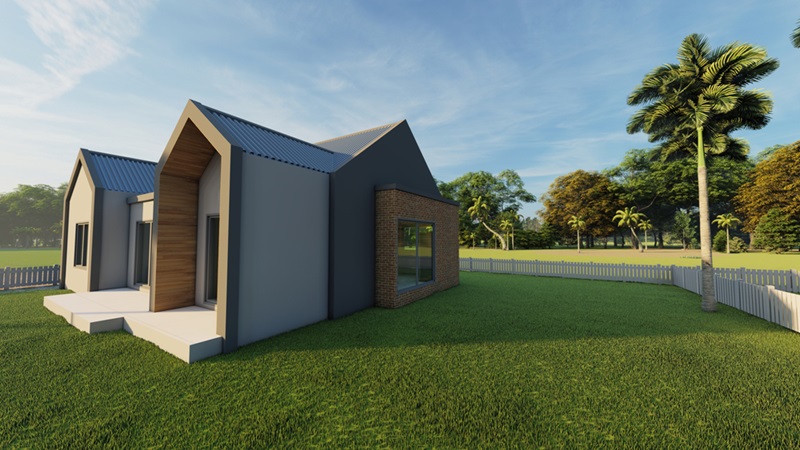
The Tiny Home Concept Needs Definition
So, what is a tiny house exactly?At its core, a tiny house is a dwelling that typically measures between 10 and 40 square metres. The standard Australian garage has a size which matches that dimension exactly. The space of these small houses is used at its maximum capacity through space-saving storage methods and furniture which serves multiple purposes and intelligent room design.
Tiny houses differ from standard homes because they value space-saving design more than extra living space. The building contains sleeping areas which are elevated above the floor and tables which can be folded down and storage spaces which would impress any professional organizer. The main objective centers around obtaining essential items while refraining from gathering unnecessary possessions.
What Makes Tiny Homes Different from Regular Homes
Building materials show different qualities when compared to their respective sizes of construction. The typical size of Australian homes reaches about 230 square meters, which exceeds the size of tiny houses by almost six times.The size difference leads to major decreases in both energy use and building upkeep expenses and environmental degradation.
Tiny homes provide better adaptability than standard residences which maintain fixed architectural designs. The majority of buildings can move between locations because they have wheels for transportation. The buildings keep their minimalist design throughout their architectural style.
What Is the Tiny House Movement?
The movement began through educational purposes which later developed into its present state of existence.
What is the tiny house movement, and where did it all begin? The movement originated in the United States during the late 1990s as a response to increasing housing costs and growing environmental awareness. People should live intentionally by choosing what they want to experience while avoiding financial responsibilities which burden them.
The small house movement challenges the “bigger is better” mentality that dominated housing for decades. The solution requires us to determine the particular things which support our happiness and comfort needs.
The Tiny Home Movement in Australia: A Local Perspective
The tiny home movement has found particularly fertile ground in Australia. The high property prices in major cities push many Australians to choose small homes as their best option for entering the housing market. The movement aligns perfectly with our outdoor lifestyle too—why spend all day inside a massive house when you could be enjoying our incredible natural surroundings?
Australian tiny home enthusiasts have adapted the concept to suit local conditions, incorporating features like improved ventilation for our hot summers and bushfire-resistant materials for rural locations.
Understanding the Tiny House Market in Australia
Current Market Trends and Growth
The tiny house market in Australia has experienced remarkable growth over the past decade. The industry reports that the market has grown at an annual rate of 30% because many new tiny homes have been purchased or constructed during the previous year. The housing market situation and economic conditions have changed, which has resulted in this growth.
Who Is Buying Tiny Homes?
Tiny home buyers show surprising variety between different buyer categories. The millennial and young couple demographic contains a large portion of purchasing power, but retirees and singles and families also show interest in buying.
The various pricing options depend on the product dimensions and available options along with the decision between stopping with your own creation or choosing between built items. The cost of entry-level tiny homes begins at $30,000 while premium models with all extra features reach costs above $150,000. The total cost remains much lower than the common price of an Australian house even when you consider the highest price point.
Making a Tiny House: Your Options Explained
DIY Builds vs Professional Builders
The two main methods for building tiny houses include DIY construction and professional building services. The DIY route appeals to those with construction skills and a tight budget. Building your own tiny home can save you tens of thousands of dollars while you create your living space from scratch.
The expert builders of the project deliver fast work through their specialized knowledge. The builders of tiny homes possess the skills needed to handle building problems while they assist with compliance procedures. The Australian market now consists of companies that focus exclusively on tiny home manufacturing to create different types of tiny home buildings.
Materials and Sustainable Building Practices
Sustainability functions as the primary building standard for all tiny home constructions. The most common building materials include reclaimed timber and recycled steel and eco-friendly insulation. Many builders choose to use solar panels and composting toilets and rainwater harvesting systems as their methods for creating off-grid systems.
The choice between wheels and fixed foundations affects everything from materials to regulations. The design of wheeled tiny homes allows users to move their homes but they must comply with road transport regulations. The design of fixed-foundation tiny homes allows builders to use heavy materials but they must follow complex council approval processes.
Is Tiny Living Right for You?
Lifestyle Considerations and Adjustments
The ability to live in a tiny space does not appeal to all people which creates no social issues. The process of achieving success requires people to evaluate their requirements for space and their methods of storing items and their capacity to exist with fewer belongings. Couples and families need to consider how they’ll maintain privacy and personal space within compact quarters.
The financial advantages of this solution deliver significant value to users. Lower mortgage payments (or none at all) along with reduced utility charges and minimal maintenance expenses create a financial situation that allows people to spend their money on experiences and travel and save money. Many tiny home owners report experiencing their first financial freedom in their entire lives.
Downsizing Tips for Australians
If you plan to make the transition, you should begin the decluttering process. Most tiny home dwellers recommend a gradual approach—selling or donating items over several months rather than attempting a dramatic overnight purge. You will discover which items you actually need and which items are simply occupying your space.
The Future of Tiny Homes in Australia
Predicted Trends and Innovations
The future looks bright for tiny living in Australia. The prediction shows that Australia will develop new tiny home communities which will establish better zoning laws and create advanced architectural designs. The development of modular building systems and eco-friendly building materials will enable tiny homes to become more environmentally friendly while making them accessible to more people.
The movement has developed into a major factor that affects housing policy discussions between state governments and councils who use tiny homes as part of their affordable housing strategies. The tiny house movement may undergo a major transformation because of its increasing social acceptance within the housing market.
Conclusion
The tiny homes movement in Australia introduces an exciting new way to obtain practical housing which functions as a sustainable solution that opposes traditional housing standards. From understanding what a tiny house actually is to exploring the growing tiny house communities across Australia, we’ve covered the essential ground you need to make an informed decision.
What strikes me most about this movement is its accessibility. The three different paths to financial freedom and environmental responsibility and the attraction of living a simple life present you with three distinct options. The process of building a tiny house has become simpler than ever because of rising community support in Australia for tiny home building from local enthusiasts.



 Actives Business
Leave a comment