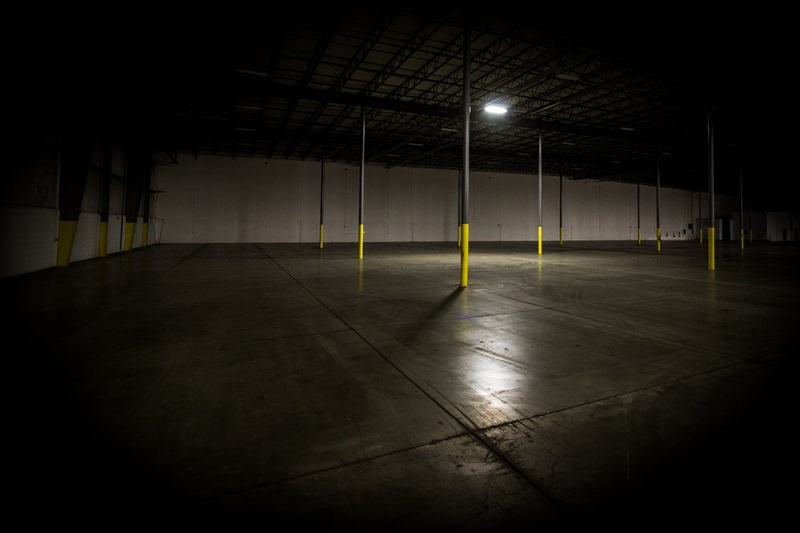
Have you ever wandered through a busy warehouse and kinda felt that uneasy little tug in your gut, about where you are actually meant to stand? You might wonder, does your facilitys floor paint and lines even line up with Australian safety expectations? And then there’s the real question—could better line marking mean the difference between a calm shift, or one serious accident people still talk about later.
Warehouse line marking sounds like a straightforward paint job, but honestly it’s one of the most effective safety spends you can make. In Melbourne’s hectic industrial areas, where forklifts, pedestrians, and heavy equipment all share narrow lanes, clear visual guidance isn’t just “nice to have” it’s basically required. The right line marking plan turns disorder into something orderly , directing movement and also flagging risks before anything goes wrong.
Understanding Warehouse Line Marking in Melbourne
What Is Warehouse Line Marking and Why Is It Important?
Warehouse line marking is when durable painted lines, symbols, and designated zones get put directly onto concrete floors. It’s like a sort of internal road network for your warehouse, without it, vehicles and people end up doing the whole “guess where to go” thing, and that is where trouble starts.
The value goes past neatness. Clear markings give immediate information about where forklifts should travel, where workers can walk safely, and which pockets of the site may contain hazards. It also keeps doing its job even in loud conditions, or when staff are using hearing protection, or if there isn’t a supervisor standing there every few minutes. So yeah, it’s safety, speaking 24/7 , without asking for attention.
Australian Standards and Compliance Requirements
In Australia, there are guidelines for safety markings, and for warehouses they usually reference standards like AS 1318 for safety signs and AS 4024.1 related to safeguarding machinery. These documents cover things like colours, line widths, and application methods, so safety messages stay consistent across different worksites.
In Victoria, WorkSafe looks for workplaces to maintain traffic management systems that are actually clear on the ground, including visible floor markings. If a site is non compliant, it can lead to improvement notices, fines, or worse—because after an accident, liability questions tend to show up quickly. The good side is, getting it right isn’t complicated once you know what’s required.
Most Melbourne line marking specialists are familiar with the rules. They’ll know, for example, that yellow is commonly used to indicate caution, pedestrian routes need certain minimum widths, and emergency access ways usually require special treatments.
Choosing the Right Line Marking Materials for Melbourne Conditions
Epoxy vs Paint: Which Lasts Longer?
Regular traffic paint is usually the more budget friendly option. It can do fine in places with lighter foot or tyre traffic. You may expect roughly one to two years before you’re looking at touch ups, depending on wear. Also it goes on quickly and dries fast, so your downtime stays low.
Epoxy coatings cost more at the start but last for a lot longer, sometimes five years or more, especially in tougher environments. Epoxy bonds with concrete at a chemical level, so it handles forklift movement, chemical splashes, and general abrasion much better. For busy traffic corridors and heavy use zones, epoxy longevity tends to outweigh the initial price.
Anti-Slip and High-Visibility Options
Because Melbourne weather can be wet and unpredictable, warehouse floors can get moisture issues at times. That might come from rain near loading bays, or condensation building up. Anti slip additives mixed into the line marking materials help create better grip, particularly when surfaces become slick after water exposure.
For visibility, there are options too, like reflective additives and materials that glow in darker areas for emergency routes. Sure it adds cost, but it can dramatically improve what people can see in poorly lit spaces, or if power ever goes out during critical moments.
Working with Professional Line Marking Services in Melbourne
What to Look for in a Line Marking Contractor
Try to find contractors that focus on industrial, warehouse and distribution environments. Someone who only does residential jobs or general car park lines might not understand the reality of a busy facility where operations cannot just stop. Ask them about experience with high-traffic sites and see if they’re familiar with relevant Australian standards.
A good contractor will check your site, suggest suitable materials, and plan the work around your operations so downtime is reduced. They should also be able to give you maintenance advice, and be reachable if you need later touch-ups or adjustments.
Questions to Ask Before Hiring
Before you sign anything, ask questions like:
– What materials would they recommend for our exact conditions?
– How long do the markings typically last with our current traffic levels?
– Can they work during off-peak hours so it doesn’t disrupt operations?
– Do they offer maintenance packages, or scheduled re-coating type options?
– Can they share references from warehouses similar to ours?
How Much Does Warehouse Line Marking Cost in Melbourne?
Pricing depends on things like overall site size, the materials you choose, and how complicated the layout is. As a rough guide, basic traffic paint often starts around $2-4 per linear metre, while epoxy systems can be around $5-10 per metre. For a medium sized warehouse, a complete line marking job usually lands somewhere between $3,000 and $15,000.
Do get multiple quotes, but don’t pick only based on the cheapest number. Cheaper materials that need replacing every year can end up costing more over time compared with better products that might last five years.
Real Results: How Melbourne Warehouses Have Improved Safety
Many warehouses across Melbourne report noticeable improvements after implementing a broader line marking approach. Common outcomes include fewer near-misses, smoother and faster induction times for new workers, and stronger results during WorkSafe audits.
The visual clarity matters a lot because it removes confusion quickly. When people already know where to walk, where to drive, and where hazards are located, the mental effort required to stay safe drops. Instead of constantly scanning around, they can just focus on their work.
Conclusion: Taking the Next Step Towards a Safer Warehouse
Warehouse line marking isnt rocket science, but it still needs planning, and it needs proper execution with the right materials and timing. The ideas we covered—colour-coded zones, dedicated walkways, using proper systems, and doing regular maintenance—work best together, not separately.
That investment tends to pay back through fewer incidents, better flow and efficiency, and easier regulatory compliance. Even more, it signals to your team that safety is genuinely valued. That kind of workplace culture helps attract and keep good people.
If your warehouse markings are faded, inconsistent, or basically missing, then now is the time to move. Reach out to a professional line marking contractor in Melbourne, walk through your facility with fresh eyes, and start planning improvements. Your future self, and your workers, will be glad you did it.








Leave a Reply