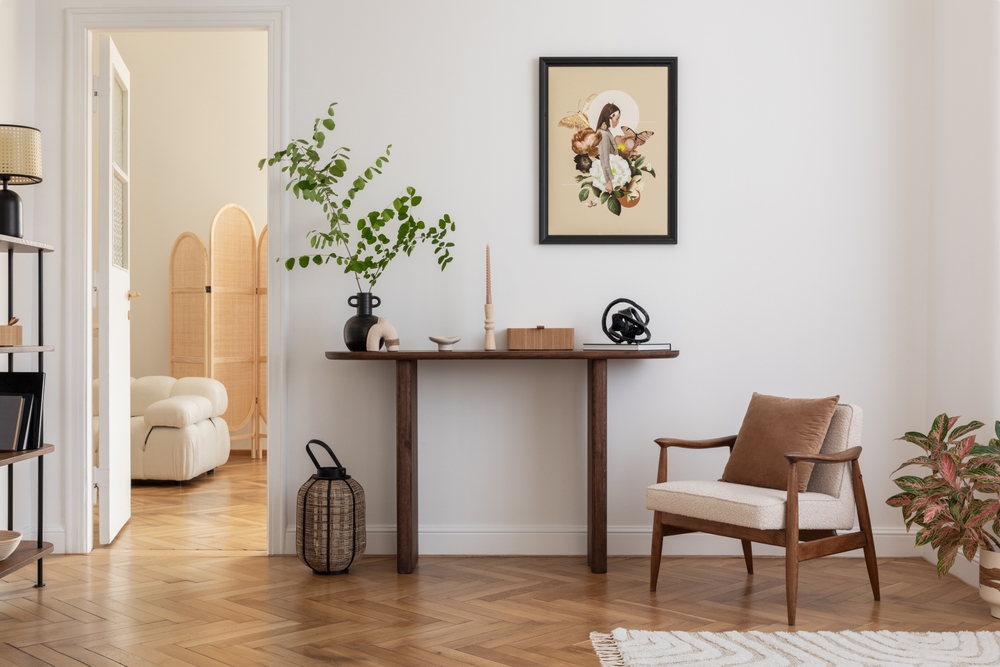
Have you ever walked into a home and somehow, instantly felt like you fit there? Like, not in a “maybe I could” way, but in that weird comfortable way almost right away… So, what is it about certain properties that make buyers get all warm and excited in seconds, while other places just feel flat, cold, even a little meh? And then there’s Melbourne—why do some homes move fast, and others just sit there, almost like they’re waiting for someone else to notice them?
A big part of the answer is one strategy that gets repeated for a reason: property staging. In Melbourne’s competitive real estate market, staging your home for sale has pretty much turned into a real gamechanger. It’s not only about making the place look “nice” or photogenic. It’s about creating an emotional link, so buyers feel something and then that feeling pushes them toward making an offer. Whether you’re selling a snug apartment in Fitzroy, or a bigger family setup in Brighton, good home staging can shift how your property is perceived the moment someone walks through the door.
In this guide, we’re going to cover everything you really need to know about staging a house for sale in Melbourne. You’ll learn what home staging means, you’ll look at home staging statistics Australia sellers should keep in mind, and you’ll see how professional stagers build those “magazine style” rooms. We’ll also talk about real examples—staging a house before and after—so you can picture the difference. Then we’ll get into furniture to stage a home and help you figure out if hiring professionals is worth the cost, based on what you’re selling.
What Is Property Staging and How Does It Work?
The Difference Between Staging a Home and Decorating
A lot of people sort of mix up staging and decorating, but honestly, they’re not the same thing. Decorating is more personal. It’s about shaping a space around your taste, your day-to-day life, and the little habits you’ve got. Staging is more strategic, almost like it’s built for the target audience.
With staging, you’re basically depersonalising the home. The whole purpose is to create a neutral backdrop, so buyers can imagine their own routines playing out inside. That typically means family photos, overly specific decor, or random quirky items that only “you” would love, usually need to go.
Professional home staging aims to lift the property’s best points while downplaying what might be considered drawbacks. It’s about flow, light, and making rooms feel wider, brighter, and more welcoming.
What Does a House Stager Actually Do?
A professional house stager usually arrives with the know-how, plus the furniture and accessories that fit the plan. They begin by taking a hard look at strengths and weaknesses, then they map out the best way to present your place.
They often use a lifestyle-oriented approach, meaning they design spaces around how modern Australian families tend to live. So not just “pretty”, but functional in a way that feels realistic and reachable. From selecting a colour palette that looks fresh, to arranging furniture for better movement, every choice is deliberate and not random.
Stagers also coordinate with real estate agents and photographers to make sure the property looks strong both in person and online. Because let’s be real, most buyers first meet your home through listing photos.
Home Staging Statistics Australia: Does Staging Really Make a Difference?

Staged Home vs Upstaged: What the Numbers Tell Us
The evidence for staging is genuinely hard to ignore. Home staging statistics Australia suggests that staged properties often outperform upstaged ones. Some research points to staged homes selling for as much as 10% more compared to similar homes without staging.
When you compare staged home vs upstaged sales data, the gap becomes pretty obvious. People spend more time looking through staged properties, they connect emotionally with what they see, and they’re more likely to push through with stronger or competitive offers.
Also, real estate agents commonly recommend staging because it tends to pay back. Many say staged properties photograph better, get more attention online, and lead to more enquiries.
What a Staging Affects Time on Market and Final Sale Price
And it’s not only about the end sale price. Staging can also change how quickly a home sells. In Melbourne, staged homes typically sit for fewer days on the market than upstaged homes. That faster momentum can mean you keep more money in your pocket by reducing holding costs.
When you stack everything together, staging work can start looking even better. A quicker sale usually means less stress, fewer open inspections dragging on, and reduced mortgage payments while the property sits there. For a lot of sellers, those “side savings” alone can justify the staging investment.
The Psychology Behind “Pretty” Home Staging, Like Real Buyers Actually See It
How Opinions Get Locked in Within the First 30 Seconds
There’s this kind of truth people don’t say enough, buyers usually decide what they think about a place in about 30 seconds once they step inside. Like, that’s barely enough time to glance at the entry, and maybe catch the living zone, before their brain starts drawing conclusions. That’s why staging your home with intent is not just “nice”, it’s really crucial.
Beautiful home staging works with what psychologists call the halo effect. In plain terms, when someone sees a gorgeous, well-presented space, they tend to assume the rest of the property is just as good too. Even the stuff they haven’t looked at yet, kind of gets judged already.
Making an Emotional Hook with Your Home Setup
Buying a house is huge, and honestly, it’s one of the more emotional choices most people make. Good staging leans into that by stirring up feelings, not just presenting objects. Think comfort, safety, coziness, and that little sense of “this could be my life now”.
Staging a home properly means you’re selling a dream, not only rooms. A beautifully styled master bedroom kind of “says” relaxation. A great kitchen quietly signals family dinners and hosting friends. Those emotional prompts often beat any dry facts from a listing, by a lot.
Staging a House Before and After in Melbourne: Real Transformations
Turning Empty Rooms into Places People Can Picture
Empty rooms are tough to sell. Buyers can’t easily judge size, they struggle to imagine furniture placement, and there’s rarely any emotional connection happening. This is exactly why staging a house before and after can look so dramatic and effective.
A pro staging team turns blank spaces into lifestyle scenes. Suddenly, that awkward alcove becomes a snug little reading corner. Even a tighter living room starts to feel like an intimate spot for hosting, instead of “weird and unused”.
Bringing Older Properties Up to Speed for Modern Buyers
A lot of Melbourne homes that are older have to work harder to compete. Newer builds show up with modern finishes, so dated features can feel like a hurdle. Dressing a home for sale with contemporary furniture, and smart styling, helps those older bits fade into the background, whilst highlighting the character a modern buyer wants.
Strategic staging can be a win without doing expensive renovations. Fresh styling can steer attention away from tired carpets, or outdated tiles, and it gives you more breathing room until new owners decide to upgrade stuff themselves.
Presenting a Home for Sale: Room-by-Room Staging Guide

Living Areas That Pull Buyers In
When you’re presenting home for sale, the living areas deserve a big share of the focus. These rooms set the vibe for the whole property. Aim for conversation-friendly layouts, make sure lighting is strong and flattering, and use textures that almost make someone want to reach out and touch.
Kitchens and Dining Spaces That Actually Help You Sell
Kitchens still matter a lot, because buyers picture daily life there first. Keep benchtops clear, add fresh fruit or herbs for colour, and style the dining table so it looks like it’s ready for friendly, convivial meals with loved ones.
Bedrooms That Feel Like a Real Retreat
Staging a home for sale means bedrooms should feel calm, not like spare storage. Layer quality bedding, add bedside tables with stylish lamps, and include light personal touches such as a few books, or a small arrangement of flowers.
Bathrooms and Outdoor Areas
Also don’t ignore bathrooms and outdoor zones. Fresh towels, quality products, and a bit of greenery can make bathrooms look instantly brighter and more considered.
For outdoor areas, create mini zones that show how buyers might actually use the space. Think relaxing, chatting, or entertaining, so they can “see” themselves there.
Dressing a Home for Sale: DIY vs Professional Staging, kind of a big deal really
When is staging your house actually worth the investment?
Getting your home staged professionally usually helps most when the place needs a real makeover, when the market feels tight and everybody’s competing, or when the expected upside genuinely covers the expense. In general, high value properties often get the most out of professional staging, because every little detail tends to get noticed.
Common mistakes people make when staging a house for sale
DIY stagers sometimes get a bit too attached to their own vibe, over-personalise everything, pick furniture that is slightly off in scale, or simply don’t give enough attention to decluttering. Pro stagers, on the other hand bring a level of objectivity homeowners can’t fake. It’s like they can step back and see the buyer’s perspective, not just their own.
How does home staging work with real estate photography?
Staging and photography are basically working together, yes. Professionals understand what will look right once the camera is doing its thing, and they style with that in mind. They also know which angles agents often grab and where the lighting usually matters, so rooms look good in both those wider shots, and also the closer detail images too.
How much does property stage cost in Melbourne?
Melbourne staging pricing can swing depending on the home size, the length of time they need, and the standard of furniture or decor involved. You might see costs start around $2,000 for partial staging and go up to $10,000+ if you want a full refresh in a larger home. Most sellers end up feeling like it pays back through quicker sales and stronger offers, sometimes in more ways than one.
How to choose the right staging service for a home for sale
Start by finding stagers with experience, and portfolios that show Melbourne homes like yours. Check the reviews too, ask how their whole process works, and make sure their aesthetic matches the kind of buyers you’re trying to attract. If their style feels completely mismatched, even the “pretty” parts might not land the way you want.
Making staging work for your Melbourne property sale
Staging a house for sale in Melbourne isn’t only about looks, it’s a strategy. There’s the psychology of first impressions, sure, but also the practical side—faster viewings turning into quicker sales and potentially higher prices. That’s why the professional staging argument stays strong.
Whether you go DIY or hire a team, the core ideas stay the same: depersonalise, declutter, and shape the rooms so buyers can picture living there. Try to focus on emotional connection, not just putting furniture on display and calling it a day.
Your Melbourne property deserves the cleanest, most compelling first impression possible. With intentional staging, you’re not simply selling a house, you’re selling a lifestyle, and honestly a kind of dream. That’s what turns property viewings into actual successful sales, not just “nice to see” moments.



 Actives Business
Leave a comment