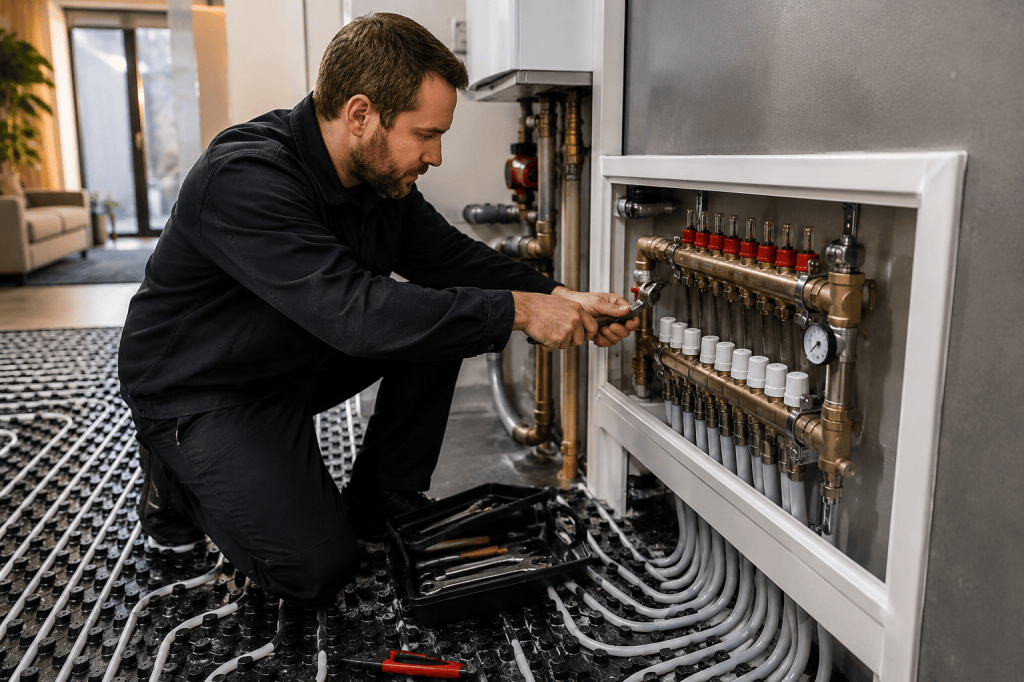
Hydronic heating repair Kew is a top concern for many homeowners in the leafy suburb of Kew, especially when winter cold snaps hit the City of Boroondara. This guide walks you through the most common faults, quick DIY checks, seasonal upkeep, and how to pick a trusted local contractor who can get your system back on track without a long wait.
Typical Faults You’ll See in Kew Hydronic Systems
From what I’ve seen, the most frequent issue is a loss of pressure in the boiler loop, often caused by a small leak in the copper pipework that runs behind the brick veneer of older Kew homes. In my experience, the second‑most common problem is a failing circulator pump, which can overheat the radiators & make the whole house feel chilly.
Another pain point is air trapped in the system, which creates gurgling noises and uneven heating across the floor panels. Kew’s temperate climate means homes often run their hydronic system year‑round, so a tiny air bubble can become a big headache during a cold snap.
Pipe‑routing quirks in the City of Boroondara
Most Kew properties were built in the 1970s‑90s, with pipe runs hidden behind plasterboard and under concrete slabs. The typical layout follows a “loop‑and‑branch” pattern: a main supply line runs from the boiler to a manifold, then branches out to radiators and under‑floor heating zones. To be honest, knowing this helps a technician locate a leak faster.
Common component failures
- Boiler pressure gauge stuck at 0.5 bar.
- Circultor pump humming but not moving water.
- Thermostat reading too low despite set point.
- Radiator valves stuck open or closed.
DIY First‑Aid Checks Before Calling a Pro
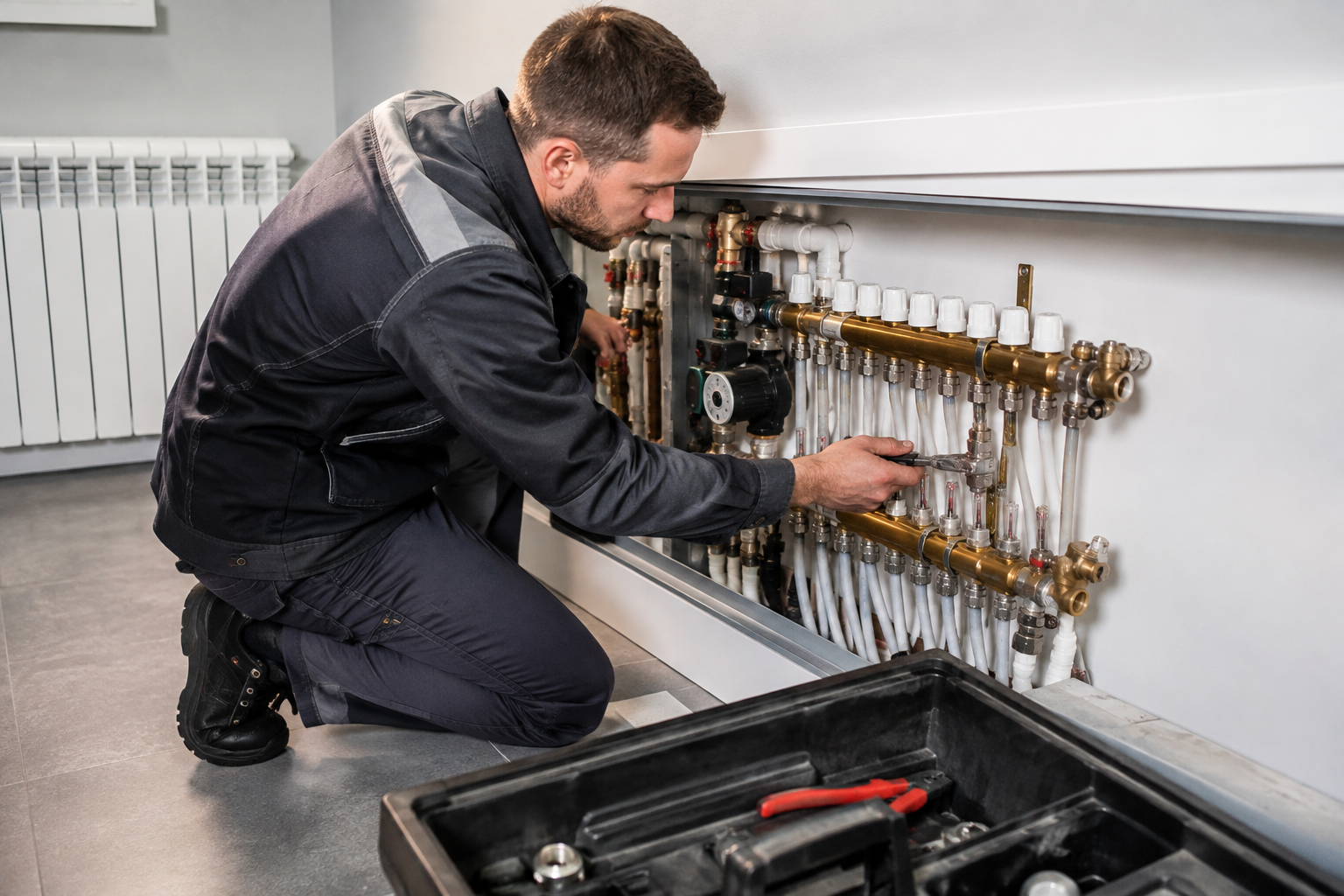
Before you dial a 24‑hour emergency line, there are a few quick steps you can take. First, locate the pressure relief valve on the boiler and make sure it’s not constantly releasing water – that’s a sign of over‑pressure.
Next, bleed the radiators. Use a flat‑head screwdriver on the bleed valve, let the hissing air escape, then close it when water runs out. This often restores even heat without a technician.
Checking the pump and thermostat
Turn off the power, remove the pump cover, and give the impeller a gentle spin. If it feels gritty, the pump likely needs a rebuild. For the thermostat, remove the front plate, check the battery (if it’s a wireless model), and verify the wiring isn’t loose.
Pressure gauge and water level —
- Make sure the system pressure reads between 0.8 and 1.2 bar when cool.
- If it’s low, add water via the filling loop until the gauge climbs into the safe range.
- Watch for rapid drops – that signals a leak.
These steps can save a trip for a minor issue, but if the boiler trips off or you smell gas, call a qualified Kew heating contractor immediately.
Emergency Hydronic Heating Repair Kew – What to Expect
Melbourne’s emergency hot lines operate 24 hours a day, seven days a week, and many local firms promise same‑day service within a 20‑kilometre radius of Kew. When you call, they’ll ask for the boiler make and model, the symptoms, & whether you’ve tried any of the DIY checks above.
After the initial triage, the technician will usually arrive with a portable pressure tester, a leak‑detecting infrared camera, and a set of universal replacement parts that fit most makes – from Rinnai to Bosch.
Typical emergency response flow
- Phone call – 15 minutes to dispatch.
- On‑site assessment – 30 minutes.
- Repair or part replacement – 1–2 hours for most faults.
- Final system test – 10 minutes.
If the problem is a major pipe rupture, the plumber may need to shut the system down for a few hours, but they’ll keep you updated throughout the process.
Seasonal Maintenance Calendar for Melbourne’s Climate
Melbourne’s weather swings mean a hydronic system that works in summer can develop issues by winter. A clear maintenance schedule keeps the system efficient & reduces the chance of emergency call‑outs.
Here’s a simple year‑round plan for Kew homeowners:
Spring (September‑November)
- Flush the system with a mild descaling solution to remove any mineral build‑up from winter.
- Inspect all exposed pipe joints for corrosion, especially on the east‑facing side of older brick walls.
- Test the pressure relief valve and replace if it drips.
Summer (December‑February)
- Check the boiler’s burner and heat exchanger for soot – a clean burner improves efficiency.
- Run a short “boost” cycle to ensure the circulator pump isn’t seized.
- Inspect the outdoor vent for debris, especially after bushfire smoke events.
Autumn (March‑May) —
- Bleed radiators and floor panels to remove any trapped air after the summer shut‑down.
- Calibrate smart thermostats to the new seasonal set points.
- Schedule a professional pressure test before the heating season begins.
Winter (June‑August)
- Monitor boiler pressure daily; add water if it drops below 0.8 bar.
- Listen for pump noises – a high‑pitched whine can indicate bearing wear.
- Keep a spare thermostat battery on hand.
Energy‑Efficiency Upgrades and Smart Controls
Upgrading an old boiler to a high‑efficiency model can cut fuel use by up to 30 % in Kew homes that still use gas. The Australian government’s energy‑efficiency rebates cover a portion of the cost for qualifying units installed after 2026.
Smart thermostats such as the Nest or Ecobee integrate with most hydronic systems and let you program zone‑specific temperatures. In a Victorian suburb where homes often have multiple floors you can set the upstairs to 18 °C while keeping the ground floor at 21 °C saving energy without sacrificing comfort.
Heat‑pump integration
For those looking to future‑proof their home, a hydronic heat pump can replace a traditional boiler. You know? The pump draws heat from the outdoor air and distributes it via existing radiators or under‑floor loops, delivering up to 5 kw of heating with a coefficient of performance (cop) above 4.
Installation requires a new buffer tank and a control panel but the long‑term savings and lower carbon footprint make it a popular choice for eco‑conscious Kew residents.
Choosing the Right Kew Heating Contractor
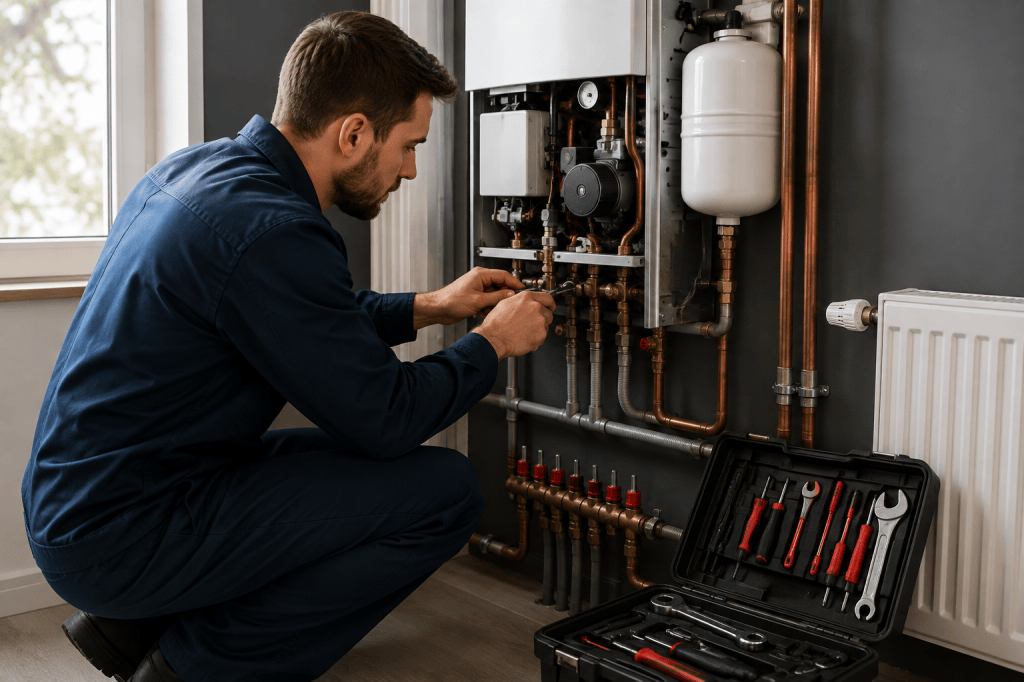
When you search for “hydronic heating repair Kew,” look for a company that ticks several boxes: 40 + years of combined experience, licensed plumbers under the Victorian Building Authority, and a 10‑year workmanship guarantee on boiler work.
In my experience the best contractors provide a written quote that details each step from diagnostic testing to final commissioning. They also carry insurance that covers any accidental damage to your historic Kew home’s plasterwork or timber flooring.
What to ask during the quote stage —
- Do you service all makes and models, including gas & electric units?
- Can you provide references from other Kew clients?
- What is your response time for emergency calls?
- Do you offer a maintenance contract that includes annual pressure checks?
Safety, Certification and Insurance in Kew
All hydraulic work in Victoria must be carried out by a plumber with a valid Contractor’s Licence (C‑Class) and a Gas Installation Licence if the system uses gas. The City of Boroondara also requires that any modifications to the building’s plumbing be inspected by a registered building surveyor.
Make sure the contractor’s insurance covers both public liability and workers’ compensation. This protects you if a pipe bursts during repair and causes water damage to your heritage‑listed façade.
Common safety checks
- Confirm the boiler’s flue is clear of blockages.
- Test the carbon monoxide detector after any gas‑related repair.
- Verify that all electrical connections to the pump and thermostat are properly grounded.
Conclusion —
Hydronic heating repair Kew doesn’t have to be a nightmare. By understanding the typical faults, performing simple DIY checks, following a seasonal maintenance routine, and choosing a qualified local contractor, you can keep your home warm and efficient throughout Melbourne’s variable climate. Remember to stay on top of pressure levels, listen for pump noises, and consider smart upgrades for long‑term savings. With the right approach, your hydronic system will serve you reliably for years to come.








Leave a Reply