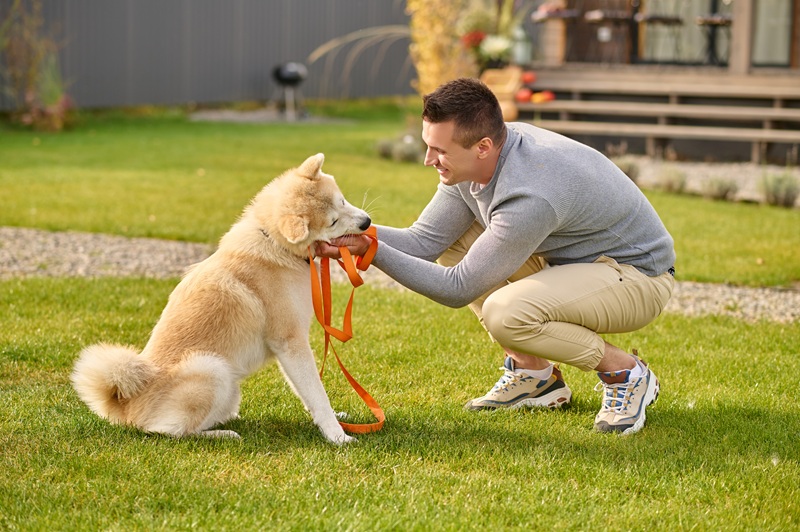
Dog training courses Melbourne are the fast‑track way for local entrepreneurs to turn a pet‑friendly brand into a revenue‑generating asset. In this guide I’ll walk you through the training formats, the most reliable providers, how to match a course to your business model, and the metrics that prove the investment pays off. Expect practical tips, suburb‑specific insights, and a clear roadmap for turning every wag into profit.
Why Business Owners Need Specialized Dog Training Courses Melbourne
From what I’ve seen, Melbourne’s café scene and boutique hotels increasingly market themselves as “dog‑welcome” venues, but a relaxed atmosphere won’t cut it if the dogs are pulling, barking, or jumping on guests. Structured dog training courses Melbourne give you a repeatable system that keeps four‑legged visitors calm, safe, and happy, which in turn protects your reputation and reduces liability.
In my experience, the biggest mistake is assuming any obedience class will do. You need a program that aligns with local climate—cool winters and hot, humid summers—so dogs are trained to behave in both indoor & outdoor settings. For example, a pet‑friendly rooftop bar in South Yarra will benefit from a course that includes heat‑tolerance drills and recall practice on windy evenings.
- Reduces customer complaints by up to 40 % in high‑traffic venues.
- Boosts repeat visits from dog owners who feel their pet is welcome and safe.
- Provides a clear selling point for marketing – “trained‑pup friendly”.
Types of Training Formats Available in Melbourne
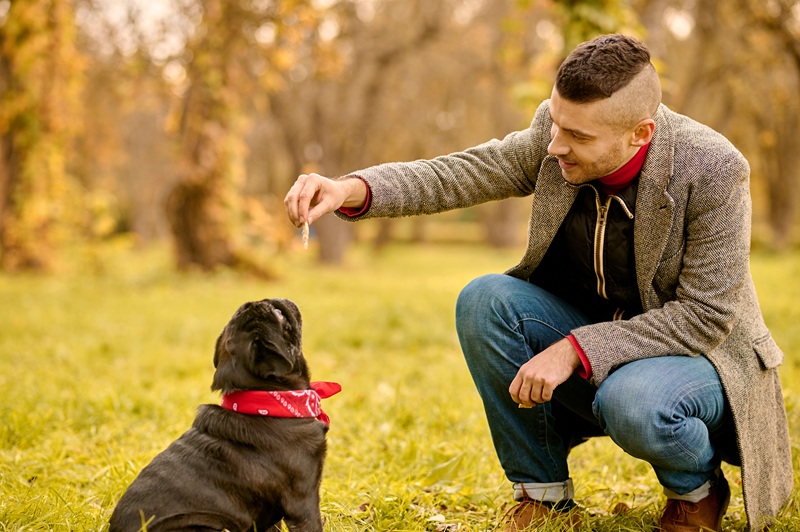
What typically happens is that owners choose a format that matches their schedule and budget. Melbourne offers a full spectrum: group obedience classes, one‑on‑one private sessions, and hybrid online‑in‑person programs. Each format has its own strengths and fits different business needs.
Group Dog Training Melbourne
Group classes are the most common dog training courses Melbourne, especially for businesses that want to foster a community vibe. Sessions are held at centres like the Canine Training Centre Victoria in Richmond, where a typical class runs 90 minutes and covers basic commands, leash etiquette, and socialisation with other dogs.
- Ideal for cafés in Fitzroy or Brunswick that host weekly “Puppy Playdates”.
- Cost‑effective because the fee is shared across participants.
- Provides real‑world distraction training—busy streets, trams, and the occasional sudden rain.
Private Dog Training Classes Melbourne
Private sessions are the go‑to for high‑end boutiques or boutique hotels in St Kilda that need a tailored approach — A certified dog behaviourist Melbourne can design a program that addresses specific challenges, like a dog that gets anxious around crowds or a pet that tends to jump on guests.
- One‑on‑one attention speeds up learning.
- Customised drills for indoor dining areas, outdoor patios, and back‑room service zones.
- Flexibility to schedule sessions during off‑peak hours, preserving business operations.
Hybrid and Online Options
Hybrid models blend in‑person practice with online video modules, perfect for owners who need to train staff as well as pets. In 2026, platforms like PawProgress use AI‑driven feedback to fine‑tune techniques, & they’re integrated with local Melbourne weather alerts to suggest indoor drills on rainy days.
- Allows staff to learn at their own pace.
- Provides data‑driven progress reports that can be shared with owners.
- Ensures consistency across multiple locations, from the Docklands office to a Geelong branch.
Selecting a Provider: What to Look For in Melbourne
The thing is not every school advertises the same standards. When you vet a dog training courses Melbourne provider focus on credentials local reputation and the ability to adapt to Melbourne’s unique climate and building styles.
Here’s what I tell people: first check that the trainer holds a Certificate III in Companion Animal Services or is a member of the Australian Association of Professional Trainers. Second ask for references from other Melbourne businesses—cafés in Collingwood or retail stores in South Melbourne that have already seen results.
- Look for evidence of positive‑reinforcement techniques which are proven to work in a high‑stimulus environment.
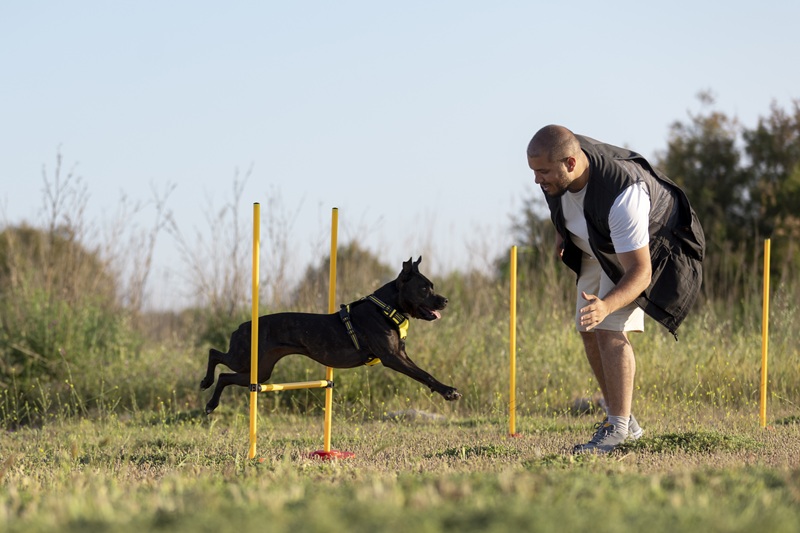
- Confirm they have experience with “dog agility training Melbourne” if you run a dog‑friendly gym or outdoor market.
- Ensure they can handle the wet‑cold winter months—training on slip‑resistant mats and indoor spaces is essential.
And don’t forget to ask about post‑training support — The best providers offer follow‑up sessions, refresher workshops, and a hotline for quick behaviour queries. That ongoing assistance is what turns a one‑off class into a lasting asset for your business.
Top Local Centres and What Sets Them Apart
From my experience, the most reputable dog training courses Melbourne are clustered around the inner suburbs where foot traffic is high and the pet‑friendly culture is strong. Below are three standout centres, each with a unique angle that matches different business models.
Canine Training Centre Victoria – Richmond
Located just a short tram ride from the CBD, this centre specialises in high‑energy group classes and offers a dedicated “Business Partner” package. They provide a monthly “Puppy Parade” event that businesses can sponsor, giving owners free exposure to a captive audience of dog lovers.
- Offers a “Corporate Canine Cohesion” program that blends team‑building with dog obedience.
- Facilities include a climate‑controlled indoor arena, perfect for Melbourne’s unpredictable weather.
- Trainers are certified dog behaviourists Melbourne with over 10 years of experience.
Pawsitive Steps Academy – South Yarra
Known for its private sessions, Pawsitive Steps focuses on boutique hotels and high‑end restaurants. Their “Luxury Pup Protocol” includes etiquette training for indoor dining, nap‑time routines, and discreet handling of service dogs.
- Customisable curriculum that fits a 2‑hour lunch service window.
- Access to a network of local veterinary partners for health‑related advice.
- Provides a “Pup‑Ready” certification that businesses can display on their windows.
Melbourne Dog Agility Club – Brunswick
If your business involves outdoor events—think weekend markets at the Royal Botanic Gardens or a dog‑friendly fitness bootcamp—this club offers specialised agility training. Here’s the thing: their courses incorporate the “dog agility training mel” framework, which improves focus & channelled energy.
- Features a portable agility kit that can be set up at any venue.
- Trains dogs to obey commands amid crowds, music, & sudden weather changes.
- Provides a “Speed‑&‑Stay” badge that businesses can market to active dog owners.
Integrating Training into Your Business Model
And here’s the crux: training should be woven into every customer touchpoint, not tacked on as an afterthought. Start by mapping the dog’s journey—from arrival at the door to exit after the meal or service.
In my experience, the most effective integration happens in three stages: pre‑visit communication, on‑site reinforcement, and post‑visit follow‑up.
- Pre‑visit: Use your website or booking system to ask owners if their dog has completed a basic obedience course. Offer a discount on a “Pup‑Prep” session at a local dog training courses Melbourne.
- On‑site: Train staff to use the same cue words as the trainer—sit, stay, down—so the dog receives consistent signals. Place “quiet‑zone” mats near the entrance for dogs that need a calm down.
- Post‑visit: Send a thank‑you email with a link to a short video recap of the dog’s good behaviour, and suggest the next level of training (e.g., agility or advanced obedience).
But remember, the environment matters. Melbourne’s historic terraces often have narrow hallways and polished floors, which can be slippery for dogs. Like, incorporate slip‑resistant runners and teach dogs to navigate stairs calmly—this is a specific skill often overlooked in generic courses.
Measuring ROI and Ongoing Support
Honestly, you won’t know if the training is worth it unless you track the right metrics. To be honest, the most telling numbers are repeat visitation rates, average spend per dog‑owner, and incident reports.
From what I’ve seen, businesses that adopt a structured dog training courses Melbourne program see a 15‑20 % lift in pet‑owner traffic within six months — To capture this data, use a simple spreadsheet or a POS system that tags sales with a “dog‑friendly” flag.
- Track “incident frequency” – fewer bites or jumps mean lower insurance premiums.
- Monitor “average dwell time” – trained dogs stay calmer allowing owners to linger longer.
- Collect “customer satisfaction” scores specifically about the pet experience.
And don’t forget the long‑term angle. Offer quarterly refresher workshops to keep skills sharp and partner with a local dog behaviourist Melbourne for annual health checks. This ongoing support not only sustains the benefits but also strengthens community ties.
Conclusion
In short, dog training courses Melbourne are a strategic lever for any Melbourne business that wants to attract and retain dog‑loving customers. To be honest, by choosing the right format—whether group, private, or hybrid—selecting a reputable provider, and embedding training into every customer interaction, you turn a simple amenity into a profitable differentiator. Keep an eye on the data, stay consistent with reinforcement, & watch your pup‑friendly brand flourish across the city’s diverse suburbs.







Leave a Reply