
Dams provide essential functions which enable water management and irrigation systems to function while their flood control abilities and electricity generation capabilities. Dams require structural integrity maintenance because it protects their operational performance and safeguards the safety of nearby communities. Dam Safety Reviews fulfil this function by assessing current dam conditions. The process of conducting regular inspections with detailed evaluations enables the detection of potential problems which enables safe and efficient dam operations to continue for multiple decades.
What Are Dam Safety Reviews and Why They Matter
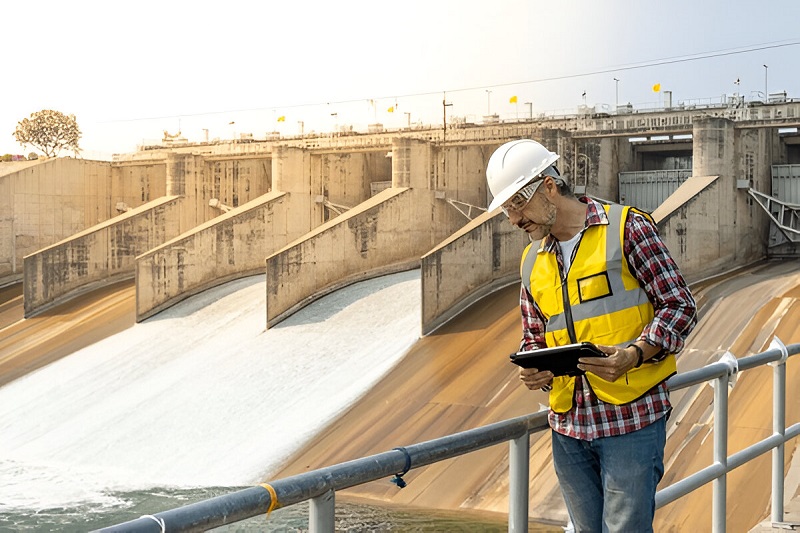
Dam Safety Reviews conduct systematic evaluations which assess dams through structural examinations and hydraulic assessments and operational performance evaluations. The reviews assess all aspects of dam construction from the materials used to build the dam to the current state of monitoring systems and their associated spillways and gates. The primary goal of these reviews is to detect vulnerabilities early. Dams face different types of stress which include extreme weather conditions and seismic events and progressive material deterioration. The assessment process enables identification of minor problems which can transform into major structural issues that require expensive repairs or result in catastrophic failures. The process of conducting Dam Safety Reviews allows organizations to lower their risk exposure while safeguarding both their infrastructure and the communities situated downstream.
Key Components of Dam Safety Reviews
Effective Dam Safety Reviews cover several essential components to ensure comprehensive evaluation:
- Structural Assessment: The process involves assessing concrete structures and embankment systems and foundational elements to identify any existing cracks or signs of erosion or settlement.
- Hydrological Analysis: The process involves assessing water flow patterns and spillway capacity and reservoir levels to ensure they will not exceed their limits during flooding situations.
- Mechanical and Electrical Systems Check: The process involves testing all gates and pumps and monitoring equipment to verify their proper operation.
- Seepage and Leakage Monitoring: The process involves locating all points where water escapes from the dam structure which creates potential risks for the dam’s long-term stability.
- Environmental and Regulatory Compliance: The assessment process evaluates how the dam affects the local ecosystem while confirming that all safety regulations are being followed.
The assessment of these components enables Dam Safety Reviews to determine the current state of a dam while showing which areas need maintenance work and which areas need immediate attention.
How Dam Safety Reviews Enhance Long-Term Stability
The long-term stability of a dam depends on ongoing vigilance. Dam Safety Reviews help ensure that structural issues are addressed before they compromise stability. Regular inspections enable the detection of erosion damage which affects earthen embankments and shows minor cracking in concrete spillways that requires treatment to avoid more serious failures. The process of review allows engineers to develop maintenance plans which use actual information about the system’s current state. Engineers use risk assessment results to determine repair priorities while addressing the most critical areas first. The strategic approach helps maintain dam integrity while extending its operational period which secures safe water access for future generations.
Preventing Failures and Protecting Communities
Dams are in areas that people use for agriculture and essential facilities and residential zones. Dam failures result in catastrophic events which cause deaths and property destruction and environmental harm. The implementation of regular Dam Safety Reviews decreases these risks to a significant extent. The reviews serve as a preventive measure by their capacity to discover structural weaknesses and monitor the condition of the infrastructure while they suggest necessary solutions. The system provides safety management evidence which establishes trust with regulatory bodies and stakeholders and the public. The critical necessity for Dam Safety Reviews to operate punctually becomes increasingly crucial in locations which regularly experience severe weather conditions or earthquakes.
Economic Benefits of Dam Safety Reviews
The common belief that Dam Safety Reviews create extra costs leads to financial savings because these reviews function as an economical solution. The preventive maintenance needs which these reviews discovered will cost less money than all required emergency repairs and complete reconstruction work needed after a system breakdown. The process of conducting regular assessments enables organizations to achieve optimal performance levels. The assessment process for spillway and gate performance enables teams to manage water resources effectively, which leads to reduced losses during both extreme rainfall and drought conditions. Dams which receive proper maintenance throughout their lifespan will decrease their operational downtime and maintenance expenses while decreasing the need for emergency repairs, which results in financial and operational advantages over the entire operational period.
Regulatory Compliance and Best Practices
All nations enforce dam safety regulations that require strict compliance from their citizens. The Dam Safety Reviews process verifies that structures meet all required legal standards to prevent organizations from facing legal penalties and liability issues. They follow international best practices for dam management by establishing standardized monitoring practices and reporting requirements and maintenance schedule procedures.
The process of documenting the findings from these reviews establishes a vital record which will assist in future inspections and necessary upgrades and emergency response planning activities. The organization shows its dedication to public safety and responsible resource management through transparent operations which create accountability for its actions.
Integrating Technology into Dam Safety Reviews
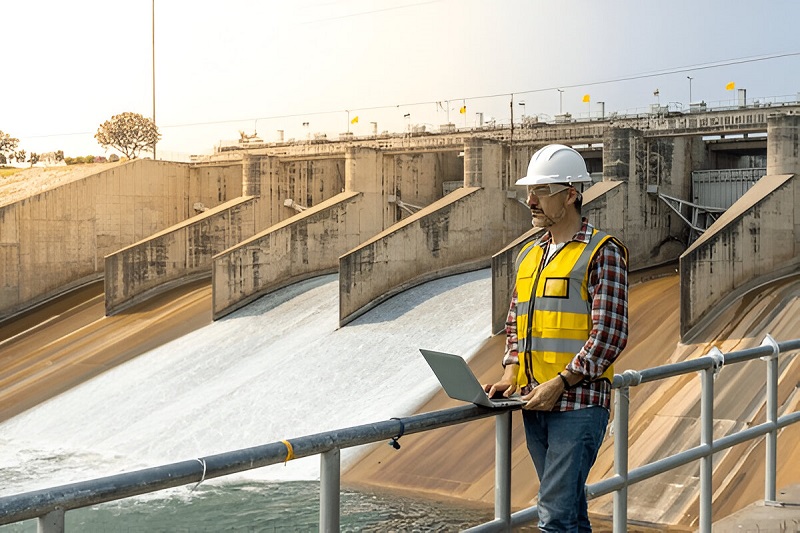
Dam Safety Reviews have gained improved results through the adoption of modern technological solutions. The combination of drones and remote sensors plus geotechnical monitoring systems enables users to collect real-time data while evaluating dam conditions with high-precision results.
The use of technology enables engineers to discover small movements and water leakage and structural changes which traditional visual inspections would fail to detect. The organization achieves better operational results by combining these tools into their assessment process, which enhances both operational effectiveness and operational integrity while protecting dams from incoming threats.
Conclusion
Dam Safety Reviews hold extreme importance, which people must recognize as their fundamental value. The process serves as a foundation for maintaining structural integrity, which prevents failures while protecting communities and enabling organizations to achieve their operational goals. The reviews process enables teams to discover potential problems at an early stage, which helps them develop maintenance plans that secure long-term safety and operational dependability for dams.
Dam Safety Reviews will become an essential obligation for dam owners and operators and regulatory authorities because they serve as a requirement for legal compliance and operational effectiveness while showing active dedication to safety and stability and sustainable water resource handling. A dam which receives complete assessment passes all security standards, which allows it to fulfil its duties successfully for multiple decades.









Leave a Reply