So, the Australian housing market has kind of changed a lot lately, like, homeowners are now looking for stuff that feels more practical, easier on the budget, and honestly more adaptable for real life. Since people’s routines shift and the push for efficient build methods keeps growing, modern transportable homes have become a well-liked choice for families, retirees, investors, and even people with rural land. They mix clever design with quick assembly and solid everyday performance, so they can work as a legit alternative to the usual building approach.
Instead of going with conventional homes that get built completely on-site, transportable homes are made in controlled settings first, then delivered to the final place. This more streamlined way of doing it brings a bunch of upsides, such as faster build schedules, steady quality control, and more overall flexibility. That’s why more Australians are choosing transportable homes, mainly to keep up with shifting housing needs, and to not feel stuck.
Why modern transportable homes are shaking up Australian living
A big reason people are leaning toward modern transportable homes is that they manage to blend style with practicality, plus efficiency that matters. The newer generation of transportable homes is built to match what today’s homeowners expect, meaning contemporary layouts, good-looking finishes, and living spaces that feel comfortable from day one.
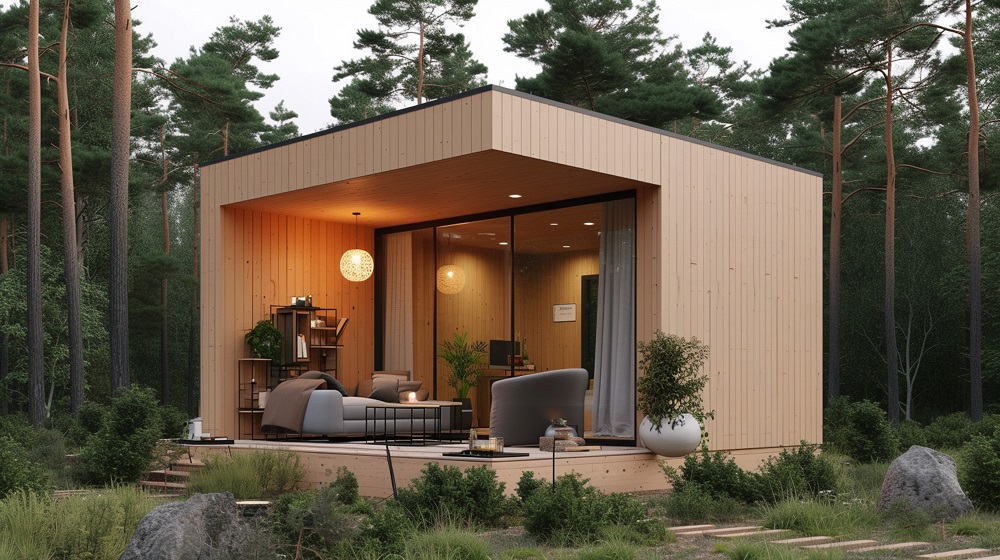
And unlike older prefabricated setups, modern transportable homes often bring architectural appeal that fits nicely in both city settings and country areas. Think open-plan living spaces, generous kitchens, energy-efficient features, and interiors that look sharp. Because of this they tend to suit a wide range of lifestyles, not just one type.
Also, the adaptability is a major selling point. Homeowners can get quality housing without giving up comfort or that “it looks right” feeling. Whether the home is for everyday living, a weekend escape, an investment setup, or a secondary dwelling, transportable homes can be a sensible, realistic option for different scenarios.
Faster construction and less waiting around
One of the clearest benefits is the shorter construction timeline when compared with traditional builds.
Since a large portion of the work happens inside a factory, weather issues end up mattering much less for the overall schedule. Plus, multiple parts of construction can go on at the same time, so progress feels smoother and more coordinated.
After manufacturing wraps up, the home gets transported to the site, then installed. That reduces the total project duration, and lets homeowners get into the property sooner, with fewer disruptions tied to long build processes. For a lot of Australians, cutting down the waiting period is a big reason transportable homes feel like the right move when housing timelines are tight.
Affordable housing without dropping the quality bar
With build costs going up, more folks are looking at different housing styles that actually bring value, while still holding quality to the place where it belongs.
New transportable homes can be way more budget friendly too, partly because factory-based production usually makes things more efficient, and it also helps reduce material waste. And because it’s a controlled setting, the workmanship stays steady, which is pretty hard to promise when things are more chaotic out on the site, if you know what I mean.
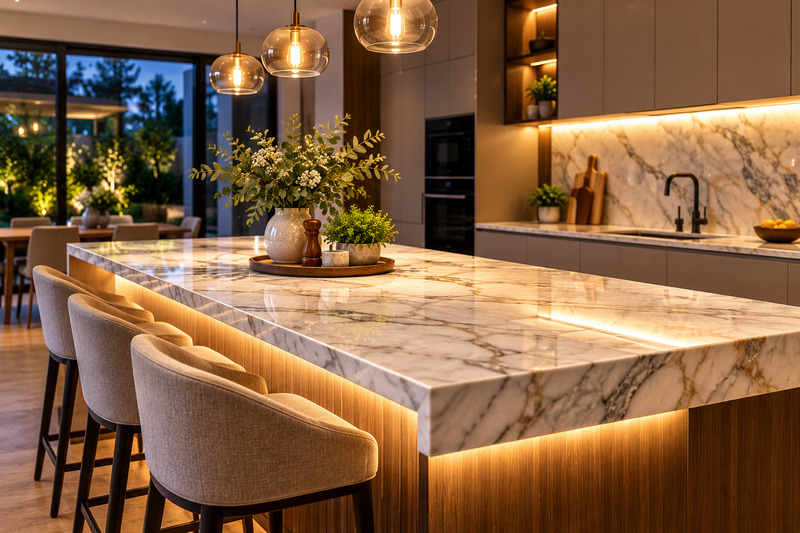
Even though the whole point is affordability, these homes still come with plenty of the usual comforts you expect from a normal house. So you’ll still get good kitchens, pleasing bathrooms, cozy living spaces, and modern fittings that feel current, not like they’re basic leftovers.
That blend of lower cost and solid quality is one reason transportable homes are getting so much more attention from first home buyers, retirees, and even people putting money into property.
Flexible designs for different lifestyles
Most homeowners have their own preferences, and flexibility is probably one of the strongest advantages of transportable living.
These homes come in a broad range of layouts and sizes, which makes it easier to pick a plan that fits your family, your budget, and the kind of block you have. Looking for something compact like a one-bedroom option, a roomy family setup, or a multi-bedroom configuration for investment purposes? There are choices for all of that, and more.
Many designs can include open-plan living zones, several bedrooms, a home office, outdoor entertaining areas, plus layouts that work better for accessibility.
So, homeowners can customise their day-to-day setup, while still making sure the home fits both current needs and future lifestyle changes, even if life shifts.
Why Modern Transportable Homes Support Sustainability
Sustainability has turned into a big deal in residential construction, and it only seems to grow. A lot of transportable homes are planned around energy efficiency, plus environmental responsibility, like it’s the default setting not a special feature.
Factory construction often creates less material waste than traditional on-site building does. That’s because careful preparation and tight manufacturing accuracy help maximise resource efficiency, across the whole build from start to finish, rather than just “during the fun parts”.
Many modern homes also bring in energy-smart insulation, double-glazed windows, water-saving taps and fixtures, and building materials chosen with the planet in mind. These things usually improve energy performance, so ongoing utility costs can drop over time.
Homeowners who want housing that’s a bit more environmentally minded often like the sustainability side of transportable construction, quite a lot.
Why Modern Transportable Homes Deliver Long-Term Value
A home is a major investment, so yeah, the long-term value really matters. Modern transportable homes are often considered decent value, because the construction is efficient, the components are durable, and the layouts are designed to adapt.
That adaptiveness means the house can be used in different ways later. It could begin as a family home, then slide into holiday accommodation, a rental property, a guest house, or even a secondary dwelling once situations change.
With low maintenance needs, energy-efficient features, and sturdy construction, the ongoing ownership costs can be reduced. Taken together, those elements can help maximise the return on investment, while also keeping everyday life comfortable, and not overly complicated.
And as housing needs keep changing, transportable homes can stay relevant, because they’re flexible enough to match different life stages and property requirements.
Conclusion:
The increasing popularity of modern transportable homes reflects how Australia’s approach to residential living is changing. With faster construction, competitive pricing, flexible designs, and high-quality finishes, these homes offer practical options for many kinds of homeowners.
From supporting sustainable living and regional development, to delivering long-term value and adaptable living arrangements, transportable homes continue reshaping the Australian housing landscape. Their modern layouts and efficient build methods show that homeowners don’t necessarily need to compromise on style or comfort when choosing practical alternatives.
As demand for flexible and efficient homes keeps rising, modern transportable homes are well placed to remain one of Australia’s more attractive and inventive housing solutions in the years ahead.






Leave a comment